The Power of Intention to Break Cycles
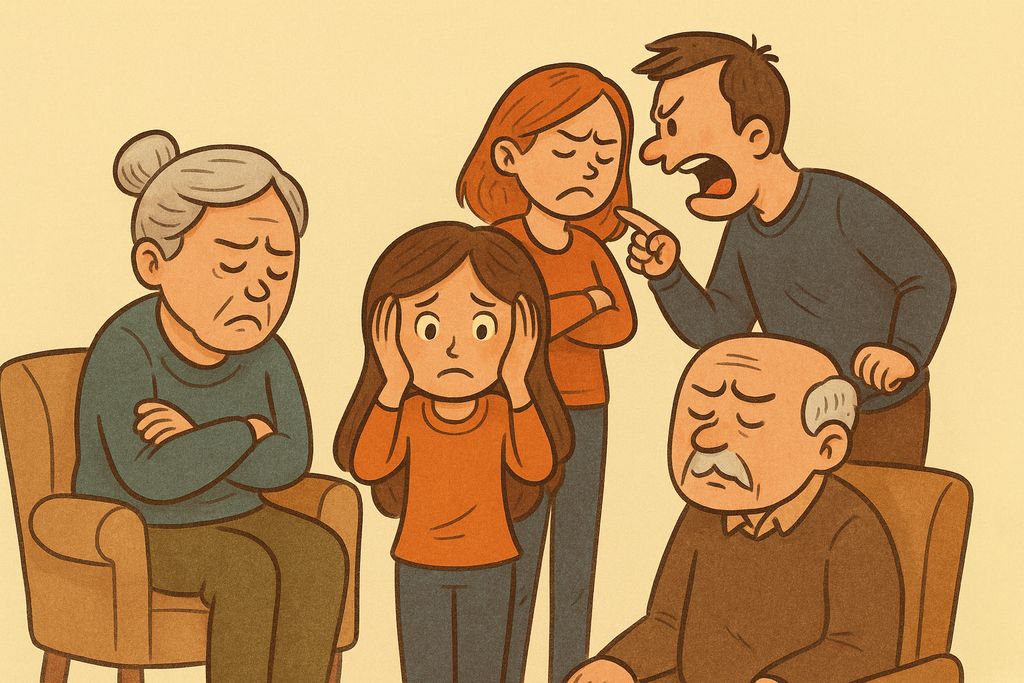
“We become the cycle breakers when we decide the pain ends with us” — Unknown
Family dysfunction isn’t just a set of behaviors. It is the emotional atmosphere a child grows inside. It teaches the nervous system what is safe, what is forbidden, which emotions are allowed, and what must be hidden to belong. These patterns take root in the body long before the mind can understand them.
Because of this, family dysfunction often repeats across generations unless something interrupts the pattern.
That interruption is intention.
Intention is the moment you become aware of the cycle. It is the choice to respond from the present instead of reenacting the past. It is the internal shift where old wiring begins to loosen.
How Dysfunction Shapes the Nervous System
Modern research shows that early emotional environments shape the developing brain:
• Chronic conflict or emotional dismissal alters stress physiology (Gunnar & Quevedo, 2007)
• Lack of attunement disrupts the right-brain systems that regulate emotion (Schore, 2001, 2019)
• Growing up in chaos or control impairs prefrontal development (Arnsten, 2009)
• Attachment insecurity predicts anxiety, depression, and relationship difficulties later in life (Ainsworth, 1978; Mikulincer & Shaver, 2007)
These patterns don’t just shape behavior. They shape neural pathways.
How Patterns Live in the Body
Family dynamics settle into physical form:
breath, jaw tension, posture, diaphragm constriction, a tight belly, a collapsed chest, guarded shoulders.
A child who learned to stay small may still shrink as an adult.
A child who learned to keep the peace may still silence themselves.
A child who learned to care for others first may still overfunction.
Intention helps the body release these inherited roles.
Cycles Are Biological Too
Epigenetic research shows that unprocessed stress can pass between generations (Yehuda & Bierer, 2009), while nurturing and emotional safety can shift genetic expression in positive directions (Meaney, 2010).
Healing is not just emotional. It is biological.
Intention Breaks the Pattern
Intention is the pause that interrupts old wiring.
It is the moment you choose differently.
Supportive intentions include:
• I respond from the present, not the past
• I choose clarity instead of old roles
• I feel my emotions instead of suppressing them
• I set boundaries with steadiness
• I allow myself to be separate and still connected
• I protect my peace without apology
Intention turns unconscious repetition into conscious authorship.
How Soul Sanctuary Helps Rewrite the Story
Because family patterns live in the body, healing must involve the body. Soul Sanctuary modalities help regulate, soften, and rewire old structures:
• Breathwork calms hyperarousal and resets the stress system (Brown & Gerbarg, 2005)
• Movement releases old emotional armor stored in fascia (Schleip, 2003)
• Meditation strengthens the prefrontal cortex and reduces reactivity (Hölzel et al., 2011)
• Sound supports vagal regulation and repairs early co-regulation wounds (Porges, 2011)
• Somatic awareness reveals the moment old roles activate, giving space to choose differently
These practices create the internal safety needed to break long-standing cycles.
A Simple Reset Practice
When family patterns activate:
- Feel your feet
- Inhale for four
- Exhale for six
- Place a hand on your chest or belly
- Repeat: I choose the present moment. I choose my adult self.
This grounds the nervous system and interrupts inherited responses.
Signs You’re Becoming the Cycle Breaker
You speak your truth even when your voice shakes.
You set boundaries without guilt.
You notice your triggers instead of becoming them.
You stop abandoning yourself to maintain harmony.
You choose presence over reenactment.
A New Story Begins With You
Family dysfunction shapes us deeply — but intention reshapes us.
You don’t break cycles by carrying your family’s pain.
You break cycles by choosing differently.
By offering yourself the safety you never received.
By giving future generations a new emotional blueprint.
By turning wounds into wisdom, and patterns into possibility.
Your healing is the hinge between what came before you and what will come after.
You may also like

The Quiet Power of Intention: How Awareness Rewires Your Inner World

Finger Snapping and the Brain