Finger Snapping and the Brain
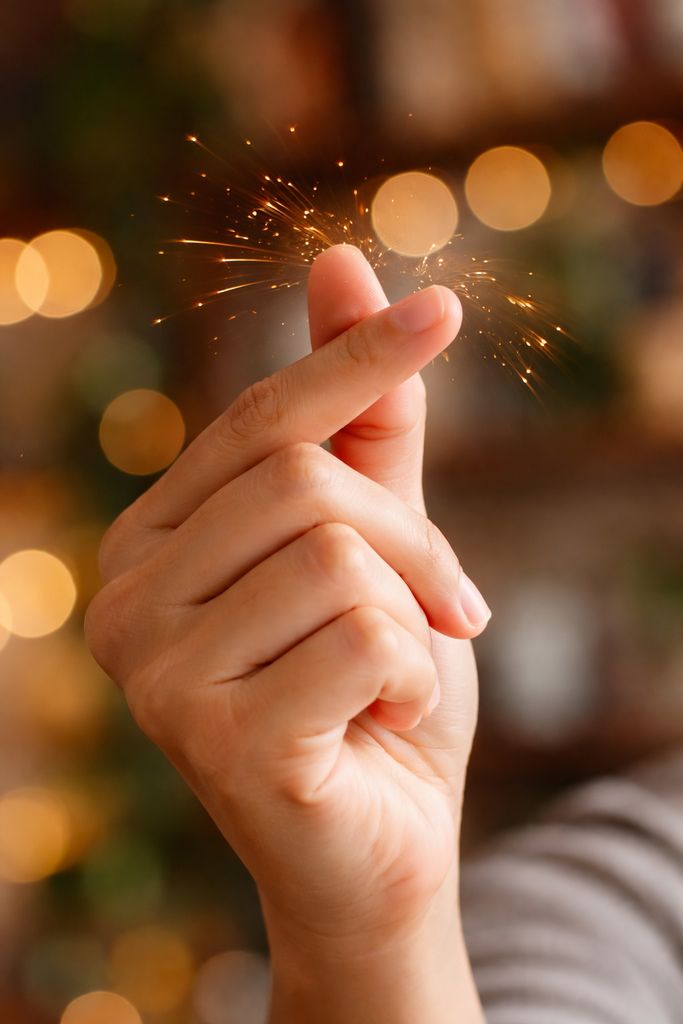
Finger Snapping and the Brain
A Micro Practice for Neural Engagement and Self Regulation
Finger snapping is commonly perceived as a casual or expressive gesture, yet neurologically it is a highly refined motor action. When examined more closely, snapping the fingers reveals a dense intersection of motor control, sensory feedback, rhythm, and intention. This makes it an unexpectedly powerful micro practice for engaging the nervous system and supporting neuroplastic change.
Within the Soul Sanctuary framework, finger snapping offers a low effort, high awareness tool that can be integrated into nearly any session regardless of physical ability or environment.
The Physical and Neuromuscular Mechanics
A finger snap requires coordinated activation of intrinsic hand muscles, including the lumbricals and interossei, along with extrinsic flexor and extensor muscles originating in the forearm. Tendons move rapidly through their sheaths, while fascia distributes force across the hand and wrist.
The movement is brief but precise. The thumb and middle finger create tension through friction and flexion, followed by a rapid release that produces both movement and sound. This precision is critical. Small errors in timing or pressure immediately change the outcome, which makes snapping a strong driver of neuromuscular feedback.
Cortical Representation and Sensory Feedback
The hands occupy a disproportionately large area of the primary motor and somatosensory cortices. This reflects their importance in fine motor control and sensory discrimination. Each finger snap activates these regions while simultaneously delivering rich sensory information related to pressure, vibration, sound, and joint position.
This creates a closed loop between action and perception. The brain sends a motor command, receives immediate feedback, and updates the next movement accordingly. Repeated cycles strengthen neural efficiency and reinforce motor pathways.
Rhythm and Neural Organization
When finger snapping is performed rhythmically, additional neural systems are engaged. Rhythm processing involves motor networks, auditory pathways, and timing circuits that span both hemispheres of the brain.
Predictable rhythmic input helps organize neural firing patterns and can support shifts toward calmer, more coherent brain states. For many people, rhythmic snapping enhances focus and stabilizes attention by providing a clear sensory anchor in the present moment.
Alternating hands further encourages bilateral coordination and cross hemispheric communication, which supports cognitive flexibility and emotional regulation.
Nervous System Regulation
From a nervous system perspective, finger snapping provides a gentle bottom up regulatory signal. It combines movement, sound, and proprioception without requiring large muscle groups or high exertion.
This makes it particularly effective for moments of mental fatigue, emotional overload, or mild dissociation. The action signals engagement without threat, helping the nervous system organize rather than escalate.
Because the movement is small and controlled, it is accessible to a wide range of users and can be scaled easily by adjusting speed, force, or duration.
The Role of Intention
Intention is what transforms finger snapping from a mechanical action into a neurological practice. When intention is present, prefrontal networks involved in attention, meaning, and learning are activated alongside motor circuits.
Pairing a specific intention with the act of snapping creates an associative neural pathway. Over time, the movement itself can become a cue that reliably evokes the intended internal state, such as focus, grounding, or emotional settling.
This is a foundational principle within Soul Sanctuary. Intention guides attention, and attention drives neuroplastic change.
Soul Sanctuary Finger Snapping Protocol
Begin in a seated or standing position that feels stable and relaxed. Soften the shoulders, jaw, and hands.
Start snapping slowly with one hand. Notice the sensation in the fingers, the sound produced, and the timing of each snap. After several repetitions, alternate hands or establish a gentle bilateral rhythm.
Silently introduce an intention. This might be clarity, presence, calm, or curiosity. Allow the rhythm to support the intention rather than forcing the movement.
Maintain an effort level that feels sustainable. Adjust speed or pressure as needed. This is a work in, not a workout.
Continue for thirty seconds to two minutes. Pause and observe any shifts in mental clarity, emotional tone, or bodily sensation.
Why Micro Practices Matter
Finger snapping illustrates how small, intentional movements can create meaningful neurological effects. Large changes do not always require large actions. Precision, awareness, and consistency often matter more than intensity.
By integrating micro practices like finger snapping, Soul Sanctuary expands access to nervous system regulation and self awareness. These tools meet users where they are and reinforce the ongoing conversation between brain and body.
Even the smallest gesture, when paired with intention, can become a pathway for change.